
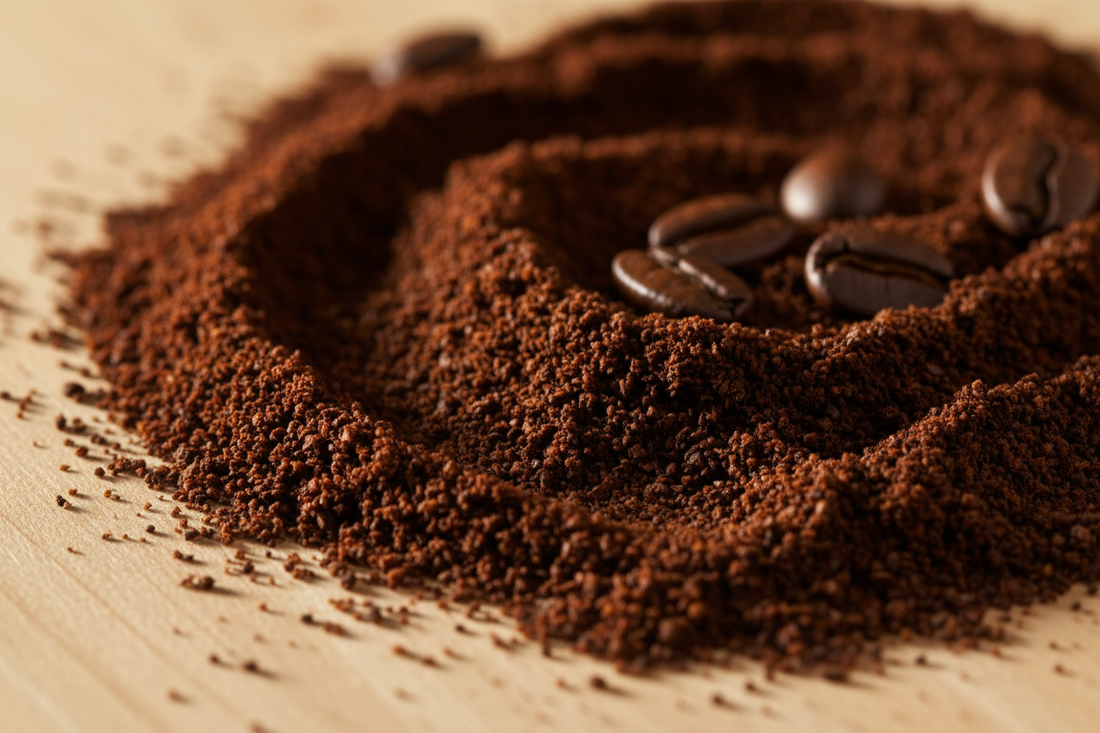
Are Coffee Grounds Good for the Garden? How to super-charge your soil for free
If you love your morning coffee, you’ve probably wondered — can I put coffee grounds in the garden? The short answer is yes — but with a few important considerations. Coffee grounds can be fantastic for your soil and compost when used the right way, but they can cause problems if overdone. Here’s what you need to know before tipping out your next cup.
Why Gardeners Use Coffee Grounds
Coffee grounds are full of organic matter and nutrients that plants love. They’re high in:
- Nitrogen — helps leafy greens like spinach, lettuce, and herbs thrive
- Trace minerals like potassium, calcium, magnesium, and phosphorus
- Organic material that improves soil structure and moisture retention
When used correctly, coffee grounds can enrich your garden soil, attract worms, and boost your compost pile.
The pH Myth: Are Coffee Grounds Acidic?
This is one of the most common questions — and the answer might surprise you.
Fresh, unused coffee grounds are acidic. But once you’ve brewed them, most of that acidity is gone. Used coffee grounds are close to neutral, meaning they won’t significantly change your soil pH.
So yes, you can safely use them around most plants, including veggies and herbs. The only plants that really prefer freshacidic grounds are acid-lovers like azaleas, camellias, and blueberries.
How to Use Coffee Grounds in the Garden
Used wisely, coffee grounds are an excellent soil conditioner and nutrient booster Here are a few of the best ways to use them:
1. Mix into Compost
Add them to your compost bin as a “green” (nitrogen-rich) ingredient. Balance them with plenty of “browns” — like dry leaves, shredded paper, or straw — to keep your compost healthy and odour-free.
2. Sprinkle Thinly on Soil
A light dusting around plants can help feed the soil and deter some pests. But avoid thick layers — coffee grounds can clump together and form a crust that repels water. They’ll also take some time to decompose before they feed your plants, so this is a long term fertiliser solution and won’t help for at least a few weeks to months.
3. Dig Them Into the Top Layer of Soil
Mixing them into the top few centimetres prevents that crusting issue and encourages earthworms to move in and aerate the soil.
4. Use as Worm Food
If you have a worm farm, coffee grounds make a great treat (in moderation). Worms love the fine texture and nutrients.
Worms and coffee grounds
I might not have believed this if I hadn’t seen it with my own eyes - but worms love a good coffee brew just as much as we do. Worms might not have taste buds like ours, but their mouths are full of sensory cells that help them “taste” what they wriggle through — and they definitely have favourites. They seem to relish the tang of slightly rotting fruit and vegetable scraps, like juicy melon rinds, pumpkin flesh, or banana peels, which soften quickly and are easy to eat. Coffee grounds are up there with the favourites, despite the slightly acidic nature and the strong aroma. That’s also why people are discouraged from adding onions, garlic, or citrus to their worm farms, for our wriggly friends, those are like biting into a lemon dipped in chilli.
Is coffee chaff good for the garden?
I had to learn about coffee chaff very quickly when I accidentally ordered a huge load of it to my door. (There’s a whole video… it’s hard to explain… the video explains it.) In short, coffee chaff is the papery skin (aka ‘husk’) that comes off the coffee beans during the roasting process. It’s light brown in colour and ultra light. A puff of wind and it will blow away! And yes, it can be great for the garden, but again - if it’s used correctly.
Coffee chaff contains beneficial minerals (like potassium, calcium, magnesium) and is high in organic matter, which helps soil structure. Unlike coffee grounds, it doesn’t need to decompose before it’s beneficial. In its original form it can help improve soil texture, aeration (especially in heavier soils), and water holding capacity, so mix it straight in. That being said - in order for your plants to reap the nutritional benefits, it will take a few weeks to start working.
Coffee chaff is also a great worm farm or compost pile addition. Some people assume coffee by-products are very acidic. But for chaff, it’s close to neutral (or only mildly acidic) and major pH shifts are unlikely. Used coffee grounds and coffee chaff often fall within the 6.5 to 6.8 pH range.
Does coffee chaff make a good mulch?
I’m going to vote a hard NO for this one despite what others may tell you. I’ve tried it - it’s a terrible mulch. Articles all over the internet suggest otherwise, but I’m going to bet those authors have never actually tried it. In its dry form, coffee chaff is as light as a feather and if you lift it up and try to tip some onto your garden bed, 50% of it will blow away, get stuck in your eyes, make you sneeze and cover everything within a 100m radius with a light dusting of coffee chaff, furniture included.
Before using coffee chaff at all I’d suggest giving it a spray with a hose to dampen it down and prevent it flying away. Once dampened down, coffee chaff tends to form clumps so it’s still not an easy mulch to spread over your garden, and all you need is one burst of sunshine and it dries out, becomes crusty and some of it will take flight in the wind again. Instead, I’d recommend mixing the dampened chaff into your top layers of soil before it has a chance to dry, or adding to your compost piles.
Is coffee chaff a “green” or a “brown” for composting purposes?
Coffee chaff is high in carbon, which makes it a “brown” for composting purposes, unlike coffee grounds which are rich in nitrogen and therefore a “green”. So together, they make a great composting combo!
Can I use coffee grounds instead of dirt?
Nope. Don’t do that. While they look a lot like dirt, coffee grounds are still in their food form, a bit like a banana peel. They’re great for the garden once decomposed or pooped out by worms, but until then coffee grounds are very much not a dirt alternative. Instead, mix them into compost or soil in smaller quantities.
Can I use coffee grounds to suppress weeds?
Yes! I tried this and it actually worked really well. In a thick layer, coffee grounds will act as a black-out blind starving any underlying plants of the sunlight they need to grow. Compact coffee grounds can also prevent water absorbtion which is really only a good thing if you don’t want things growing underneath. So in short: a thick layer will prevent growth underneath, a sprinkling (or a thin layer mixed into your soil) can boost your soil over time.
When to Be Careful with coffee grounds in the garden
Coffee grounds aren’t a miracle fertiliser, and they can cause problems if used incorrectly. Here’s what to avoid:
- Don’t add them in thick layers unless you’re trying to use them as a weed suppressant — they can compact and block water.
- Don’t rely on them as your only fertiliser — they don’t contain enough nutrients on their own.
- Don’t dump them fresh around seedlings — caffeine and concentrated nitrogen can slow germination or stunt growth.
Composting Coffee Grounds: The Smart Way
In compost, coffee grounds help speed up decomposition and add valuable nitrogen. To keep your compost balanced, aim for a mix of about 1 part coffee grounds to 3 parts carbon-rich materials like straw, shredded cardboard, or dried leaves.
If your compost pile starts smelling sour, add more browns and turn it to increase airflow.
The Benefits at a Glance
- Improves soil texture and water retention
- Adds nitrogen and trace minerals
- Attracts beneficial earthworms and red wrigglers
- Reduces household waste
- Great addition to compost
Where to find used coffee grounds and coffee chaff
If you’re keen to use bulk coffee grounds or get your hands on some coffee chaff, you can actually order a free load to be delivered right to your door thanks to the earth-loving team at ReGround. They collect bins full from cafes and restaurants and deliver them to gardeners to prevent them going to landfill. Just make sure you read the fine print and understand how much is going to be delivered - it’s a LOT! I learnt this the hard way but once I got over the initial shock, I my garden was very grateful!
So next time you make a brew, don’t toss those grounds — your plants will thank you!